BIG SHOCKING! Turner receives an anonymous letter from the gunman that shocks Alexis. (Spoiler alert for the TV series General Hospital)

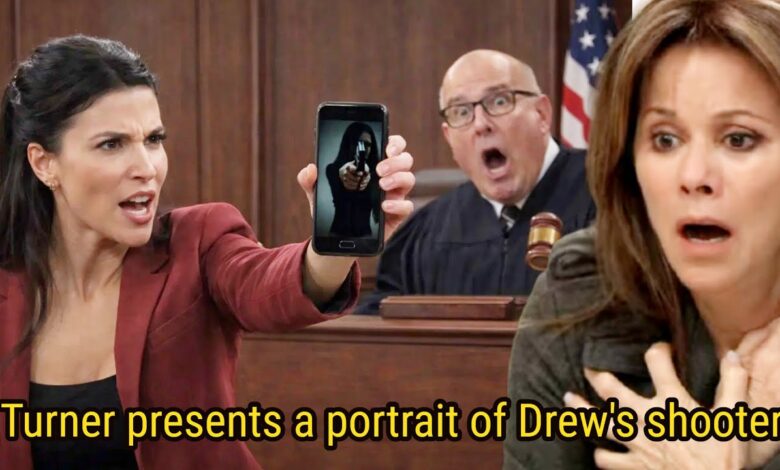
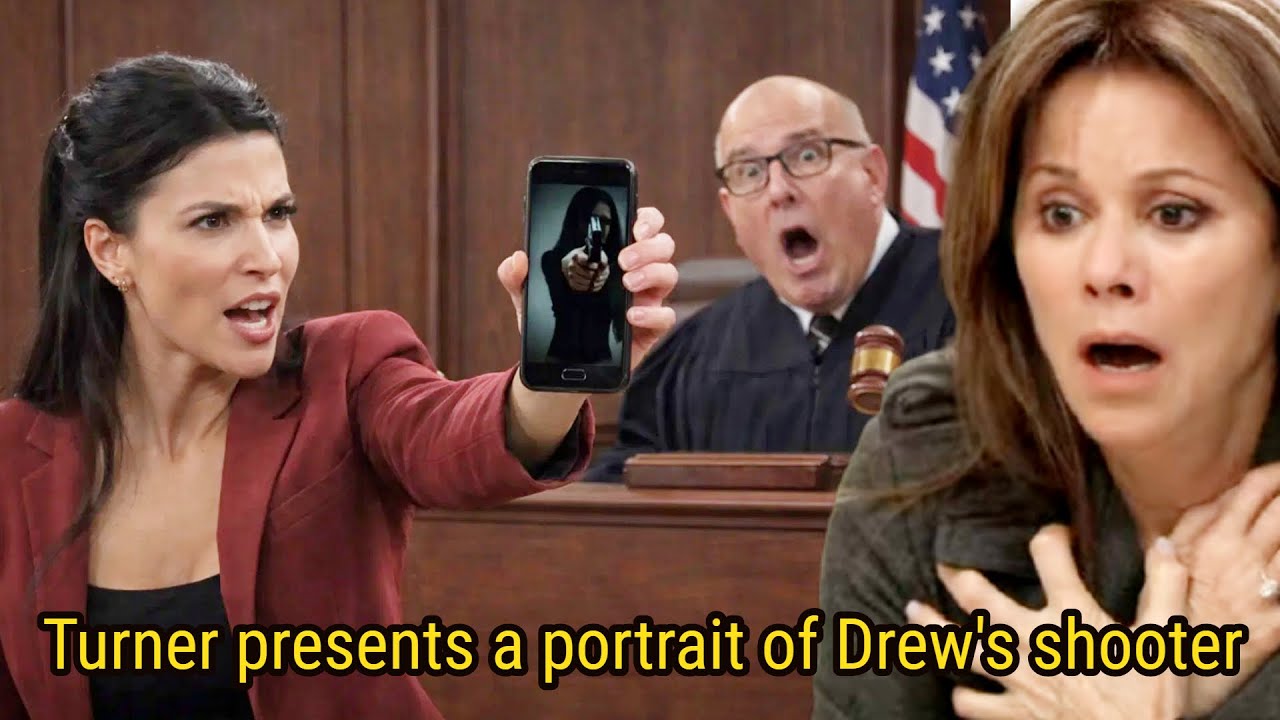
General Hospital Spoilers: Turner’s Investigation Explodes as Sam Becomes the Center of Drew’s Shooting Case
ABC General Hospital spoilers reveal that the investigation into the shooting of Drew has entered a dangerous and irreversible phase. What once appeared to be a fragmented search for a shooter has transformed into a relentless unraveling of hidden motives, buried alliances, and long-protected truths—driven by Detective Turner’s refusal to accept silence as an answer.
Destroyed Cameras Signal Intent, Not Failure
From the outset, Turner recognizes that the destruction of traffic cameras near the crime scene was no accident. Rather than slowing him down, the missing footage sharpens his focus. To Turner, erased evidence signals planning—and fear. Someone wanted time, movement, and accountability wiped away.
Instead of narrowing the scope, Turner widens it aggressively, mapping surrounding streets, alleys, and private properties. His philosophy is simple: modern crimes are rarely invisible. The truth exists in fragments.
Private CCTV Changes Everything
That approach pays off when Turner uncovers privately owned CCTV footage from a nearby business just outside the assumed perimeter. The footage is grainy and partially obscured, but Turner isn’t searching for faces—he’s studying timing, movement, and behavior.
The footage confirms that Michael Corinthos and Willow Tait were present near the scene. Their presence alone doesn’t prove guilt, but it complicates everything. Their proximity, body language, and movements suggest the shooting did not occur in isolation.
A Woman in the Shadows—and a Shocking Match
As Turner scrubs through the footage frame by frame, another figure emerges: a woman whose movements are calm, controlled, and deliberate. This is no panicked bystander. Her timing is precise. Her presence purposeful.
Turner orders a forensic gait analysis—focusing on posture, stride length, center of gravity, and movement rhythm. The results are chilling. The woman’s physical signature aligns almost perfectly with Sam McCall.
The match isn’t speculative. It’s statistical.
The Case Crosses a Point of No Return
With Michael, Willow, and a woman matching Sam’s profile all present, Turner escalates immediately. He reopens timelines, reexamines phone pings, location data, and personal movements hours before and after the shooting. This is no longer about chasing theories—it’s about convergence.
Attempts to hide the truth only sharpen its outline.
Alexis Is Pulled Into the Storm
Realizing the implications can no longer be contained within police files, Turner brings his findings to Alexis Davis. What she hears shakes her deeply. The evidence reads not like speculation, but like the slow collapse of a truth deliberately protected.
Alexis quickly understands the legal danger: silence, omission, and misdirection are not emotional lapses—they are prosecutable acts. Michael and Willow’s behavior now appears less like confusion and more like sustained concealment.
And the reckoning is coming.
Turner confirms that the case will be formally reopened in the new year, and the trial will not be quiet or procedural. It will be public, irreversible, and devastating.
Scout’s Confession Shatters Everything
Then comes the moment that changes the trajectory of the case forever.
Scout comes forward.
Not under pressure. Not reluctantly. She tells Turner—and later Alexis—that she saw Sam shoot Drew.
Her words are devastating in their simplicity. This is not strategy or manipulation. It is a child carrying a truth that has become too heavy to hold alone. Scout wants her mother back. She wants the silence to end.
Her testimony collapses defenses, accelerates timelines, and strips away ambiguity. Once a child’s eyewitness account enters the record, the truth is no longer negotiable.
Sam Becomes the Center
Turner officially shifts his full focus toward Sam. The era of uncertainty is over. Sam is no longer an absence haunting the edges of the story—she becomes its core.
Her potential return sends shockwaves through Port Charles. Turner understands that silence can be a form of control, and Sam’s reappearance—voluntary or forced—would collapse every fragile narrative built in her absence.
But Sam’s return won’t be quiet. She is expected to come back defiant, ready to reclaim her voice, rights, and agency.
Scout vs. Drew: Loyalty Rewrites the Narrative
Scout’s fierce loyalty to her mother introduces an emotional force no investigation can easily neutralize. Her devotion undermines Drew’s efforts to regain control of the narrative, reframing his pursuit of justice as an attack on stability.
The more Drew pushes, the more isolated he becomes—trapped in a battle where logic cannot compete with a child’s love.
The Final Shock: Drew’s Own Crimes
As Turner digs deeper, an even darker truth emerges.
Drew was not simply the victim of random violence.
The shooting was the consequence of his own secret actions—manipulation, coercion, concealed financial dealings, and misuse of influence that created enemies with motive and desperation. What began as a warning escalated into an attempted execution.
Turner now faces an explosive reality: identifying the shooter isn’t enough. Drew himself may be criminally liable.
Financial records, communications, and witness statements align. Sympathy curdles into doubt. The town fractures.
Justice at Any Cost
Prosecuting Drew will ignite backlash. It will destabilize alliances and expose institutional fear. But Turner refuses to let power shield wrongdoing.
The shooting is no longer the central crime—it is the symptom of a deeper corruption.
As Turner prepares to move forward, one truth becomes unavoidable:
The most dangerous weapon was never the gun—it was the belief that power could protect guilt from accountability.
And that belief is about to collapse.